


Scroll past a @Fakunyawo image too fast and you’ll miss it. Not because it’s loud—but because it isn’t. Luyolo Fihla’s work doesn’t beg for attention. It just sits there, calm, almost indifferent, like it knows you’ll come back. And you do. There’s a quiet pull in his frames, something that feels less like content and more like a moment that already happened.
He’s part of that wave of young South African photographers who aren’t trying to “elevate” reality—they’re just holding it still long enough for you to see it properly. No gloss, no overthinking. A guy in a yard. A wall that’s seen better days. Grass that’s uneven. It sounds simple, but it doesn’t feel simple. The image carries weight, like it knows more than it’s letting on.
Ultimately, his photography is about stillness, presence, and quiet observation. There’s no urgency in his frames, only atmosphere. The subjects exist without performing, which makes the images feel human and contemplative. This approach places his work within contemporary visual storytelling traditions where mood is more important than spectacle. Fakunyawo’s photographs don’t just document spaces — they interpret them. They invite viewers to slow down, notice small details, and feel the emotional weight of ordinary environments. It’s photography that turns everyday life into visual poetry, using light, space, and silence as its language.
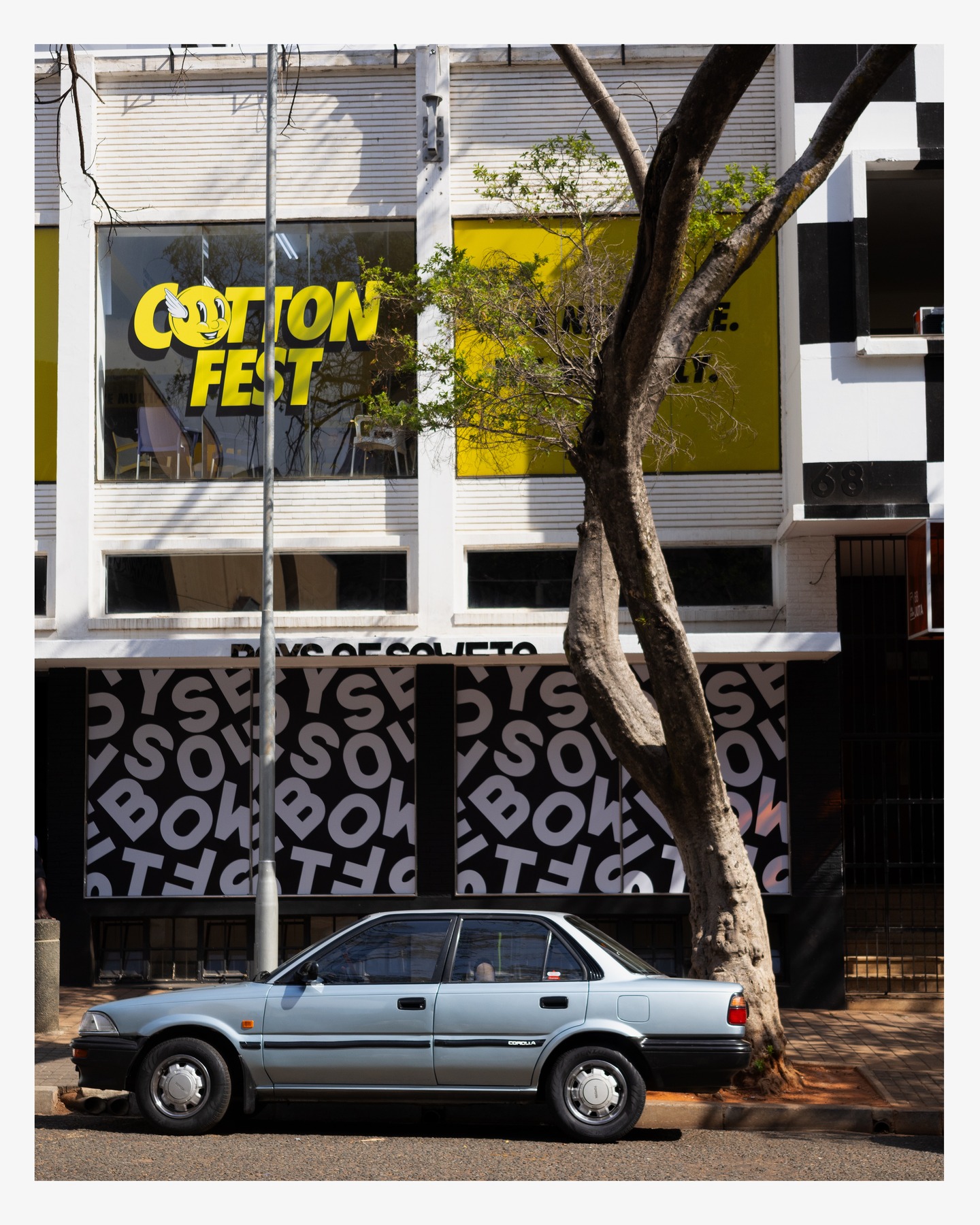
What really hits is how the environment refuses to stay in the background. The space does just as much talking as the subject. Painted walls, open sky, the way the light hits the ground—it all feels loaded, like it’s been lived in for years. You start building stories without realizing it. Who stays here? What just happened before this shot? Why does it feel so still? It’s less a portrait, more a scene paused mid-thought.
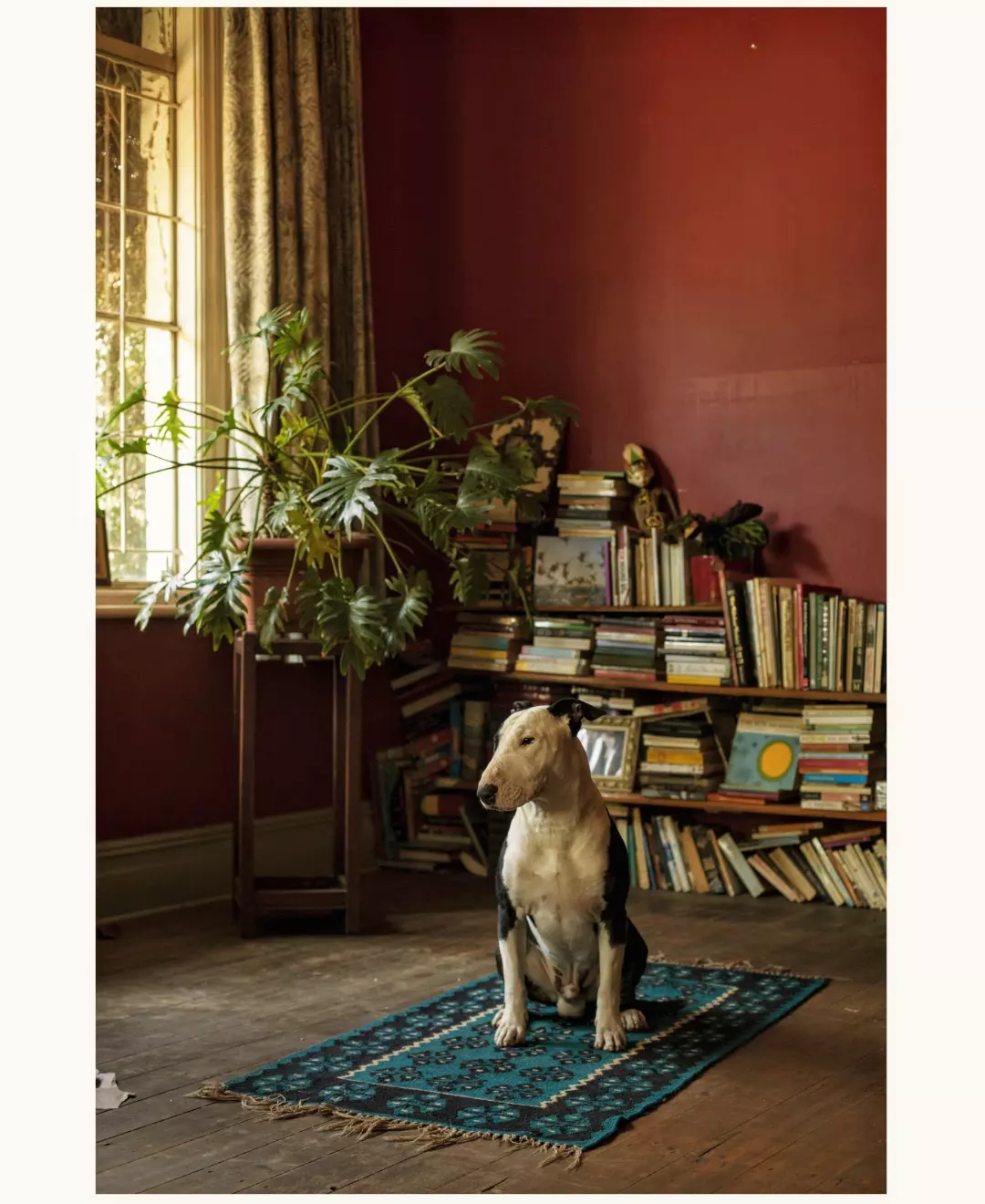
A defining aspect of his style is environmental storytelling. In his photographs, the subject is never isolated; it’s embedded within a lived-in space that suggests identity and emotion. The cluttered bookshelf suggests curiosity, the warm painted wall suggests intimacy, the outdoor yard suggests solitude. This layered composition makes each image feel like a still from an unreleased film. The dog in the room isn’t just a dog — it becomes part of a domestic narrative. The dog in the yard isn’t just sitting — it feels like a quiet afternoon unfolding. This technique transforms simple subjects into visual stories without needing motion or dialogue.
Then there’s the way he frames people. Dead center, most of the time. No tricks. But it doesn’t feel stiff. There’s space around them—real space. The kind that lets the image breathe. Foreground, background, everything sitting where it naturally falls. Nothing feels cleaned up, and that’s exactly why it works.
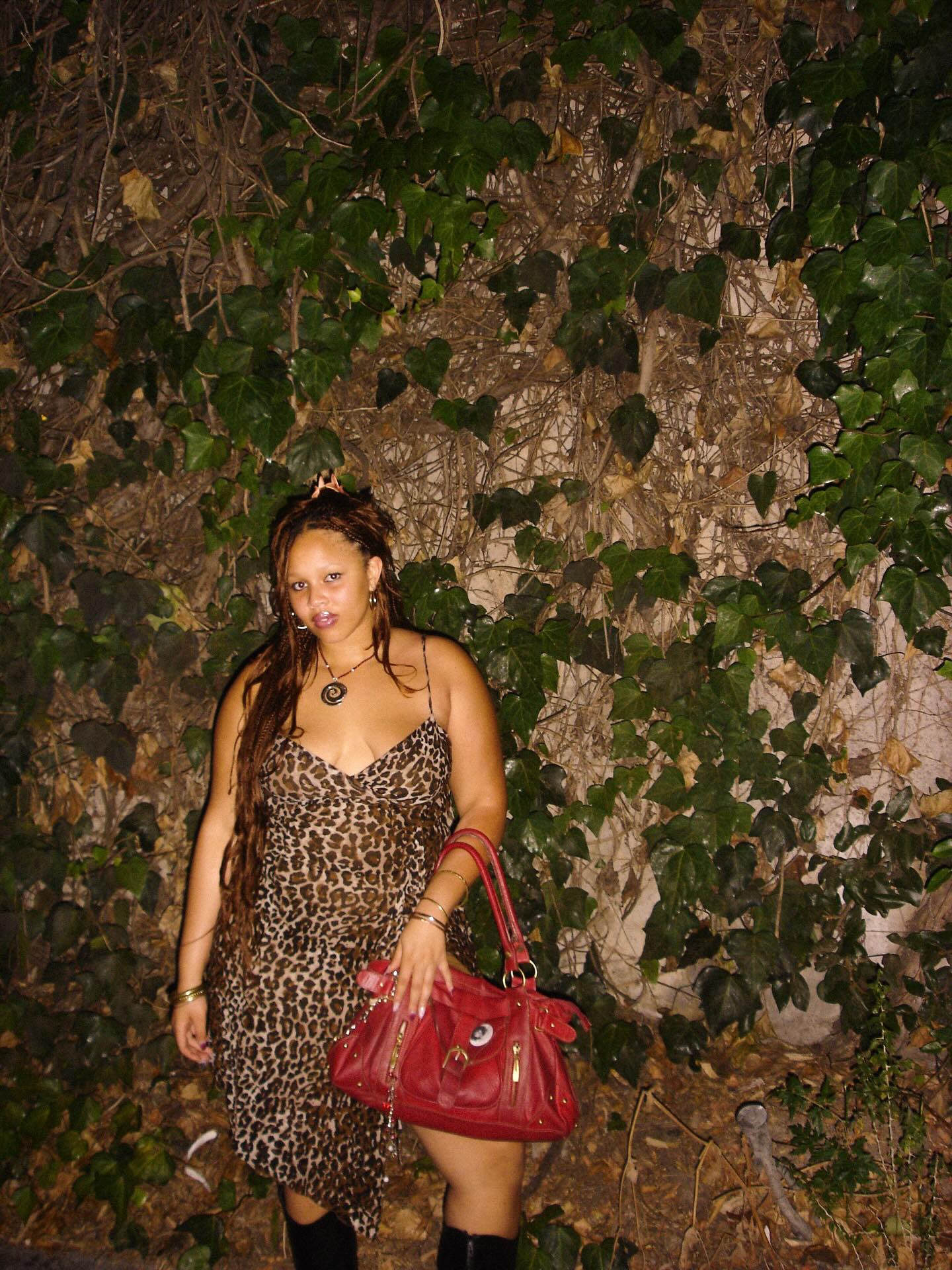
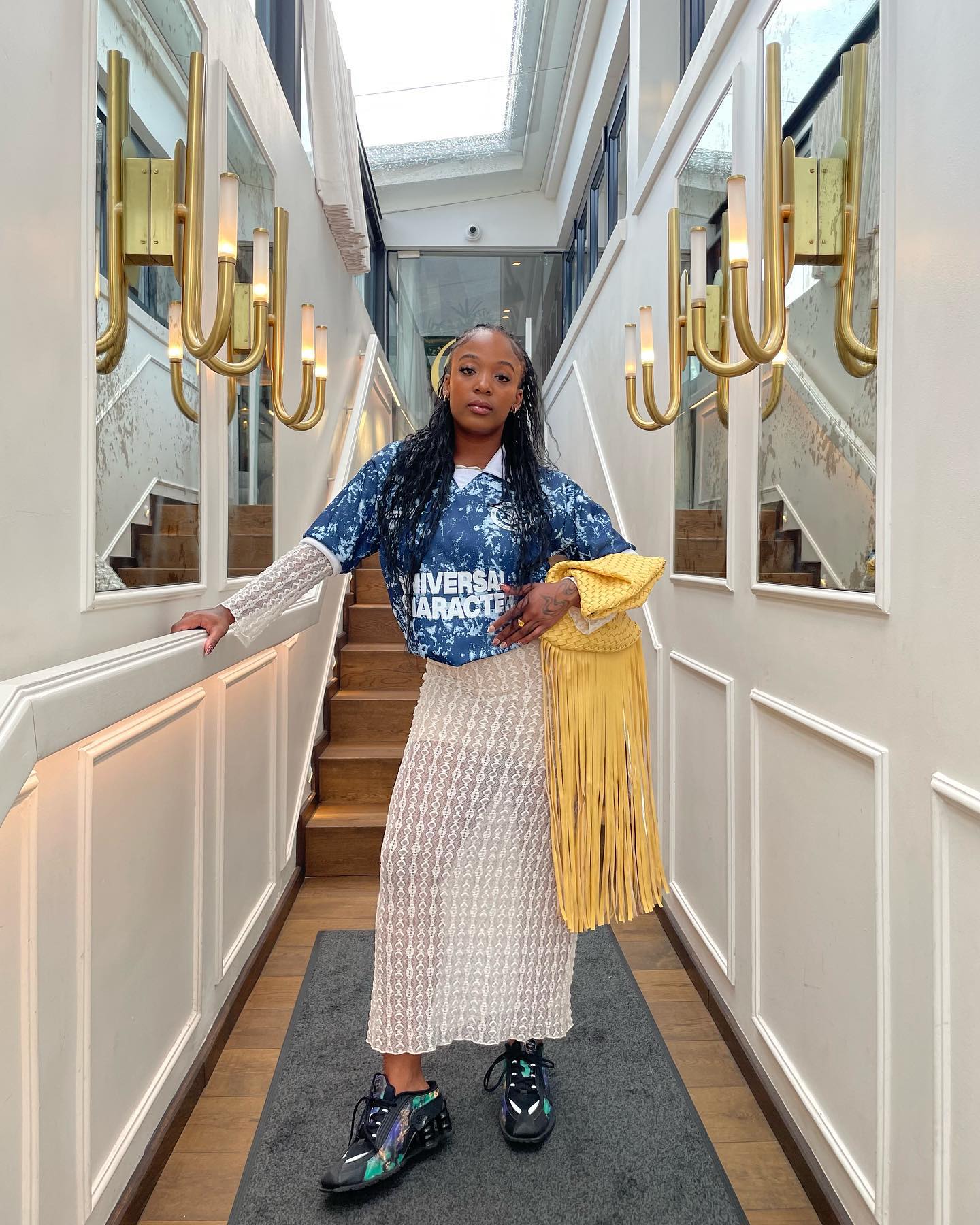
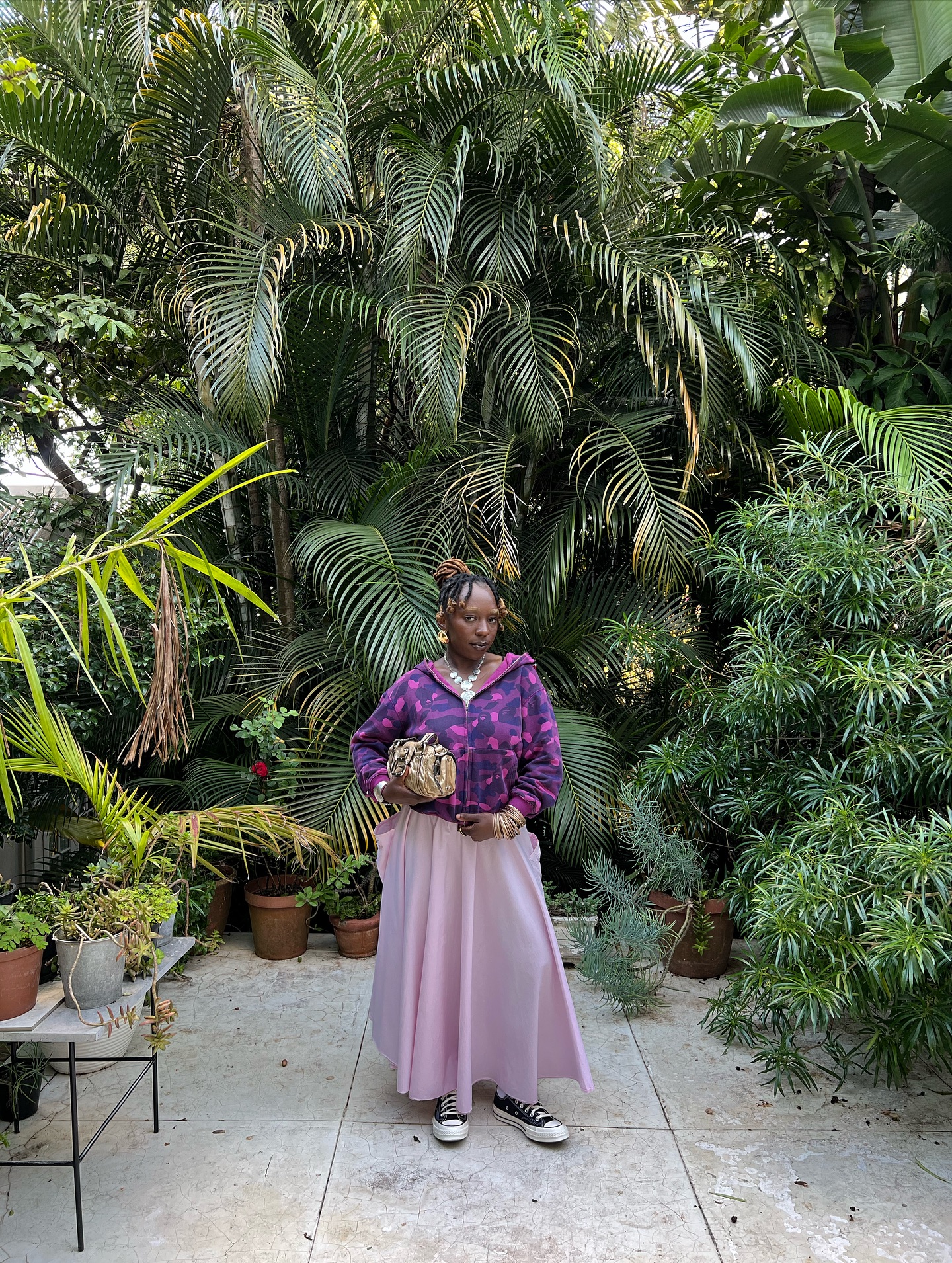
Style-wise, it’s subtle but sharp. The clothes don’t scream “fashion,” but they land. Colors speak to each other without trying too hard. A red cap against green tones, worn textures, everyday fits—it’s all doing something without announcing itself. You get the sense that nothing was over-styled, but everything was seen.
And the mood? Still. Not empty—just still. No action, no performance. People aren’t posing, they’re just there. Existing. That’s where the emotion creeps in. It’s not handed to you; you have to sit with it. Maybe it’s calm, maybe it’s lonely, maybe it’s something else entirely. Depends on what you bring to it.
That’s the thing with Luyolo Fihla. He’s not chasing perfection, and he’s definitely not chasing noise. He’s documenting something quieter—how things feel when nothing is happening. And somehow, that ends up saying everything.
From nail artistry and celebrity beauty services to team-driven studio systems and wig retail expansion — how Naledi Thabo is building a layered, culture-led beauty ecosystem that scales beyond the salon.
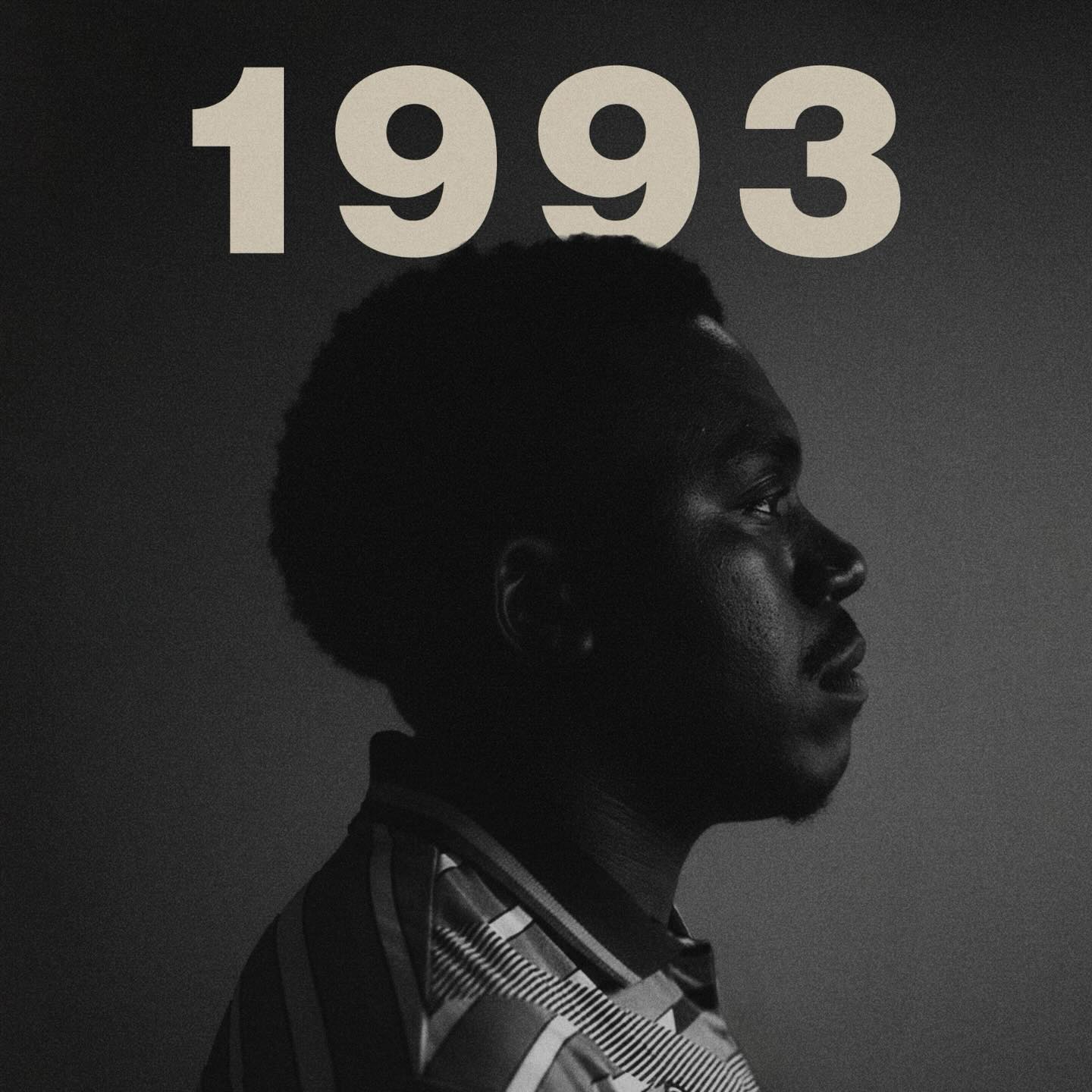
The Stay Cozy architect blends funk, house, and soulful experimentation into a deeply textured EP that listeners are already calling timeless
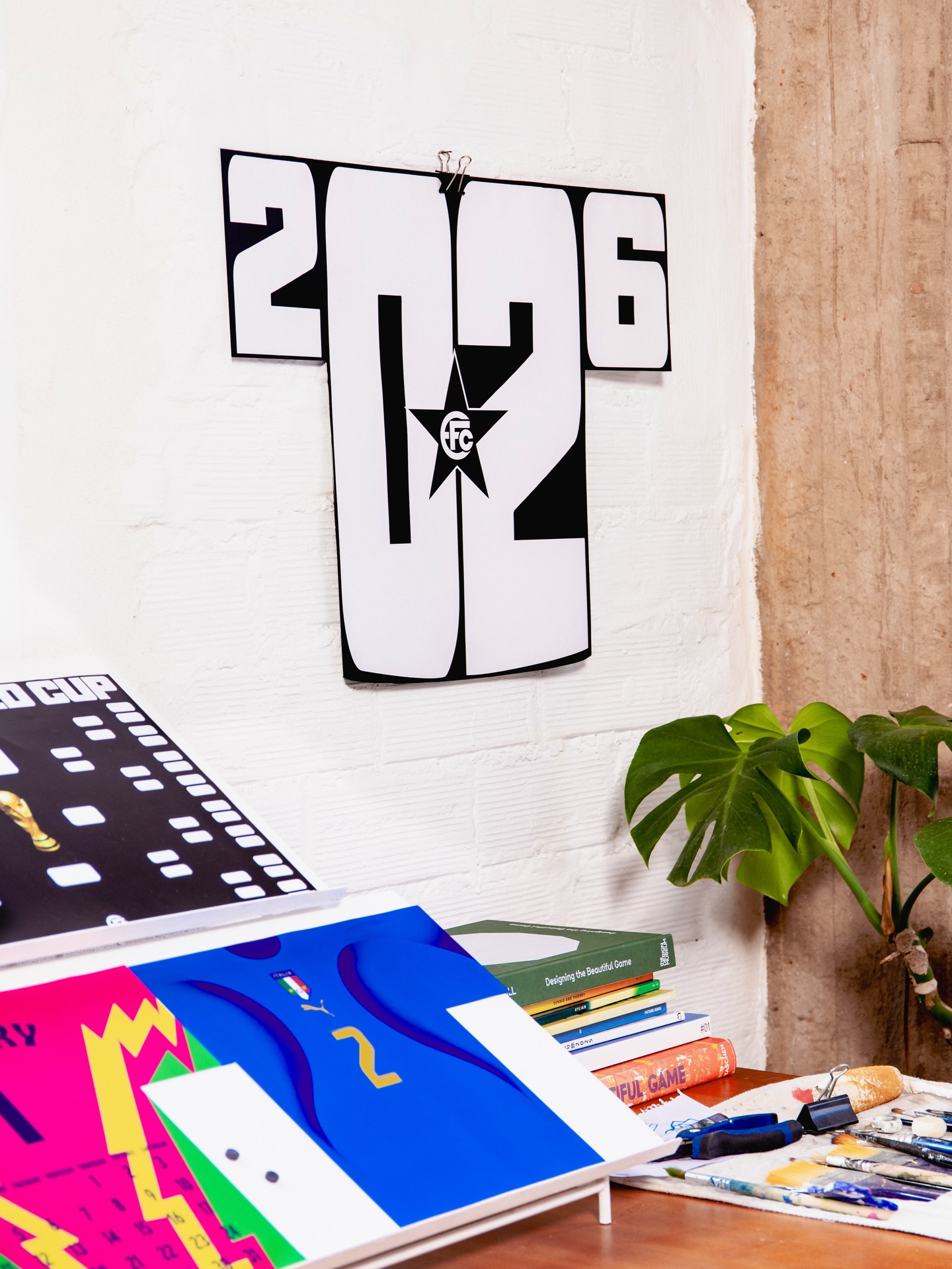
The Beginning: When Football Shirts Stopped Being Just Football Shirts
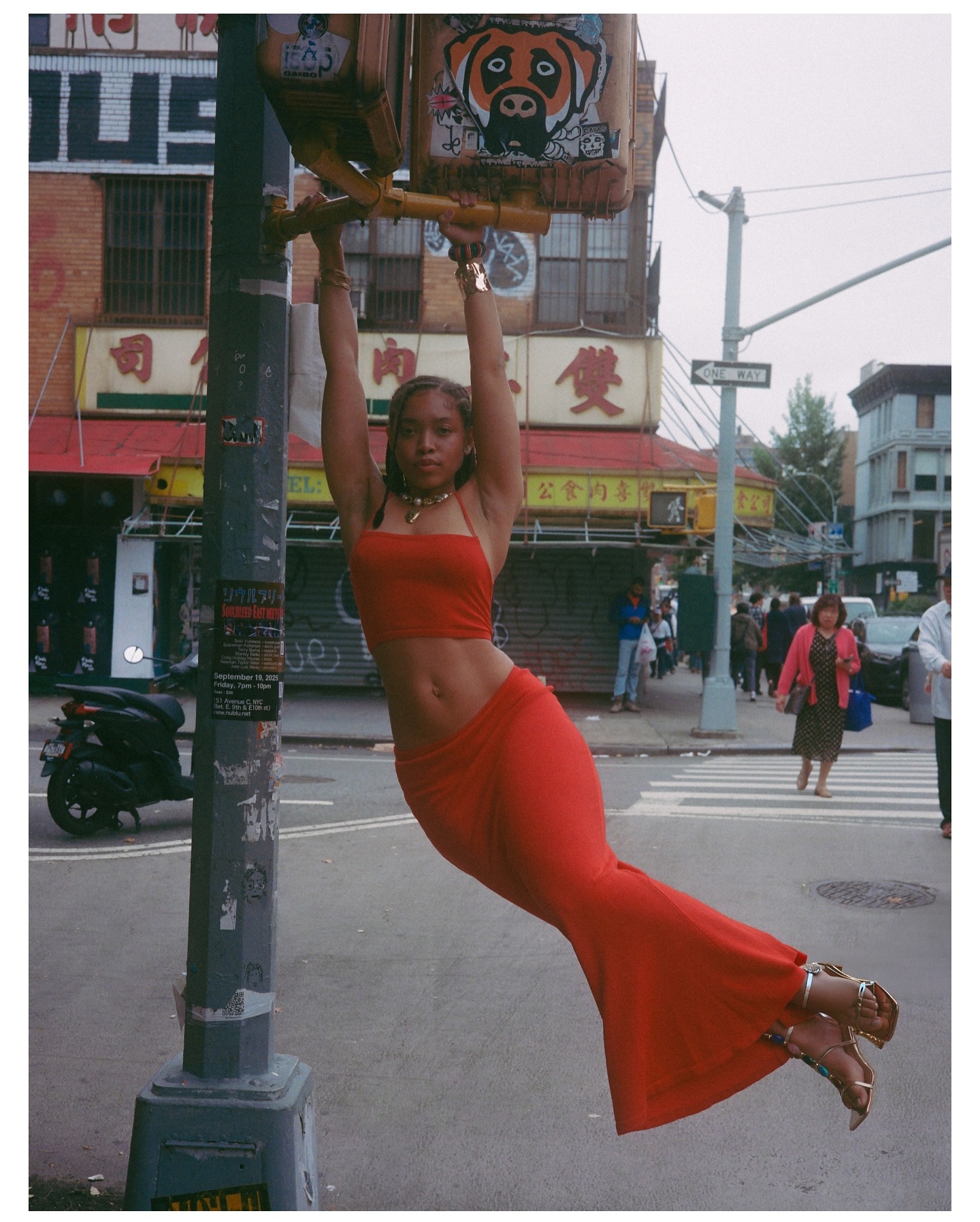
What Ideas Agency HOME WORK MAG CONTACT PATTA-From Dope Recognition to Global Cultural Institution BB.Faith is Whatever She Wants It 2 BB ggghh kkkkklll hkhkhh ncnnnfnfnf khkhkhkh fjfjfjfjf mfmfmfm Edit Template Courtesy of bb.faith (Copyright © bb.faith, 2026) BB.Faith is Whatever She Wants It 2 B
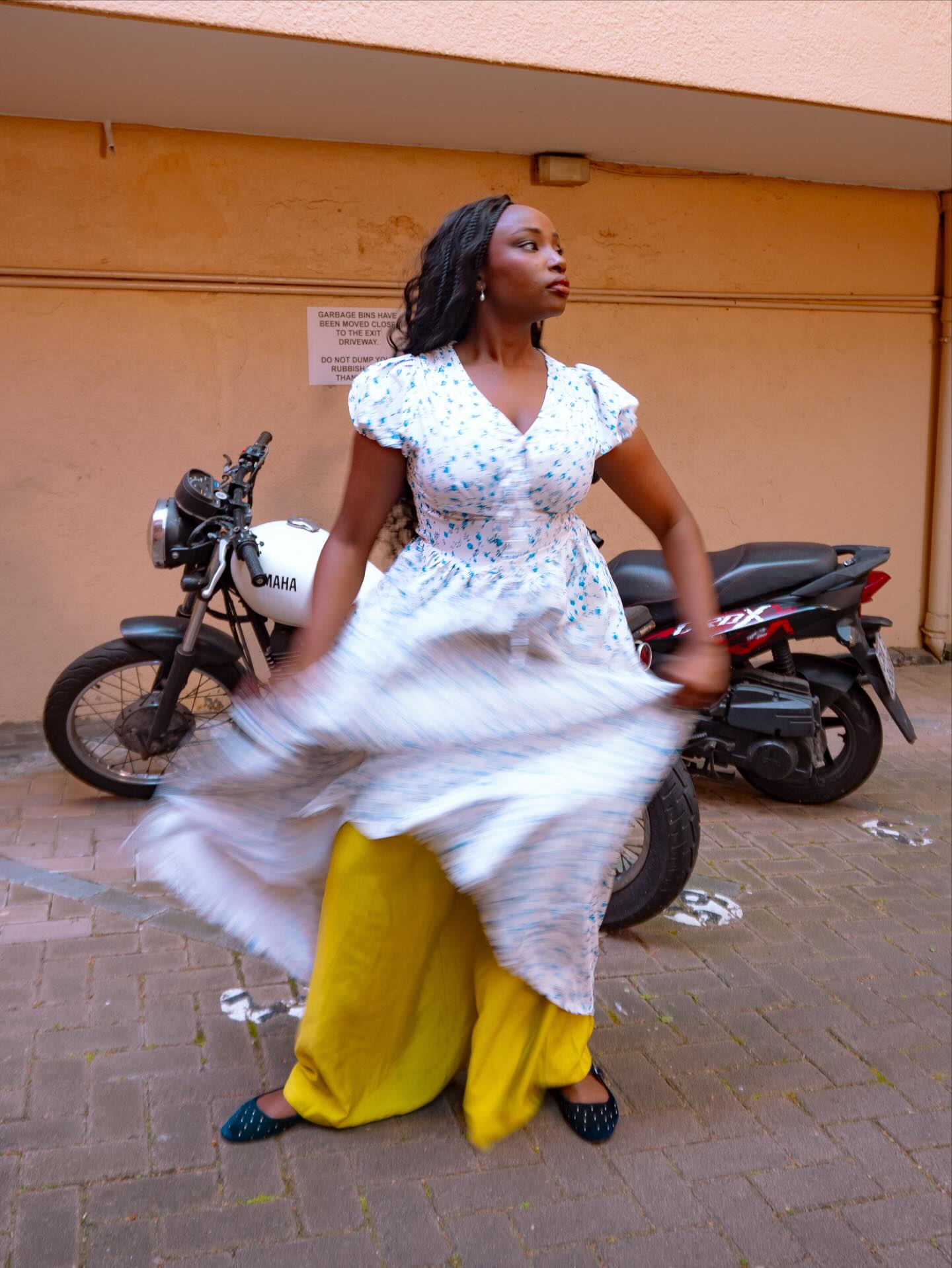
How a multidisciplinary creative is documenting, shaping, and connecting South Africa’s emerging youth scene
The illustrator’s colour-drenched landscapes are an iterative and experimental play on “the tension between flatness and texture”.
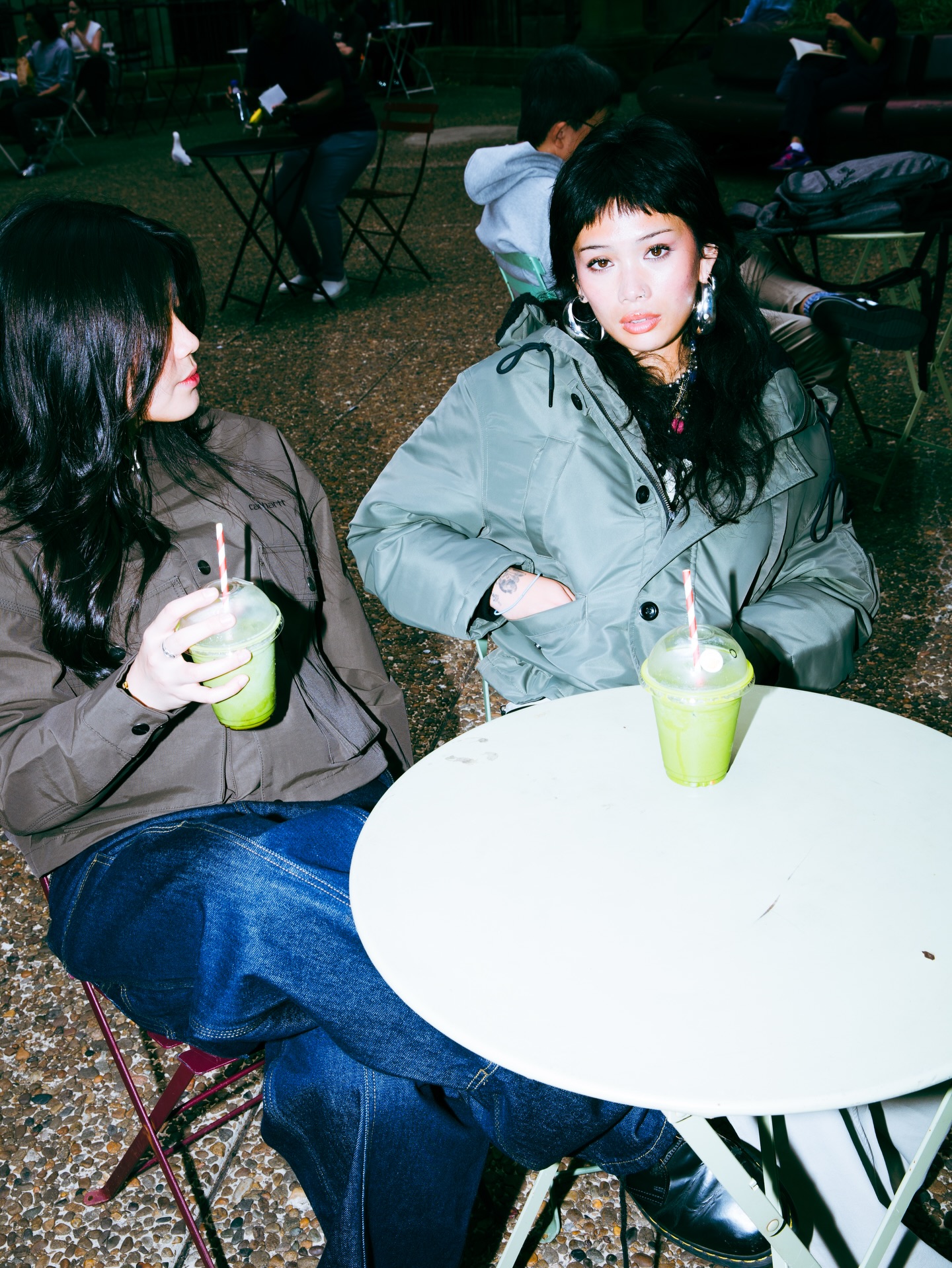
A closer look at how design, lighting, activations, and pure aesthetic discipline turn Carhartt’s Australian presence into something that feels less like retail and more like cultural infrastructure
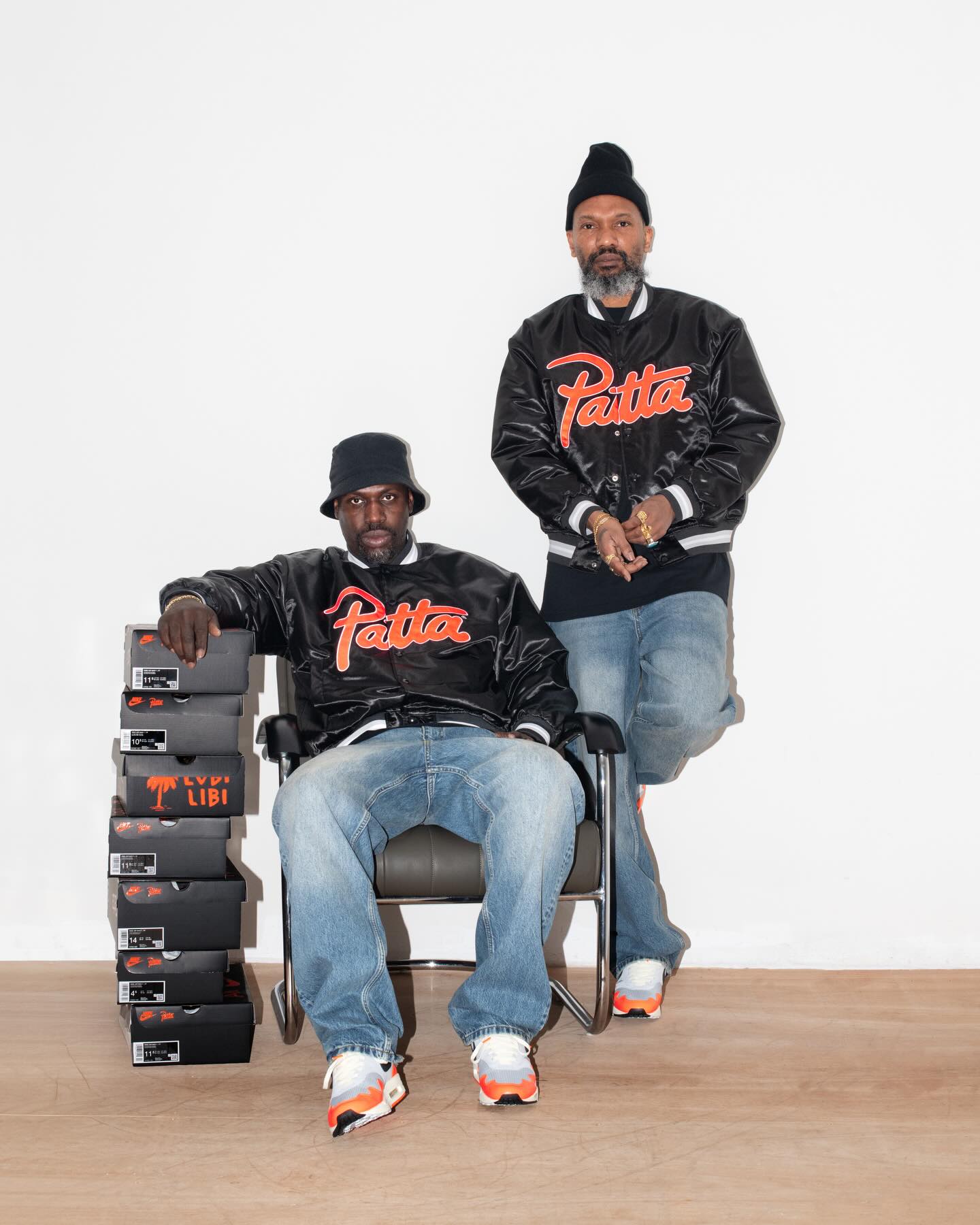
PATTA-From Dope Recognition to Global Cultural Institution
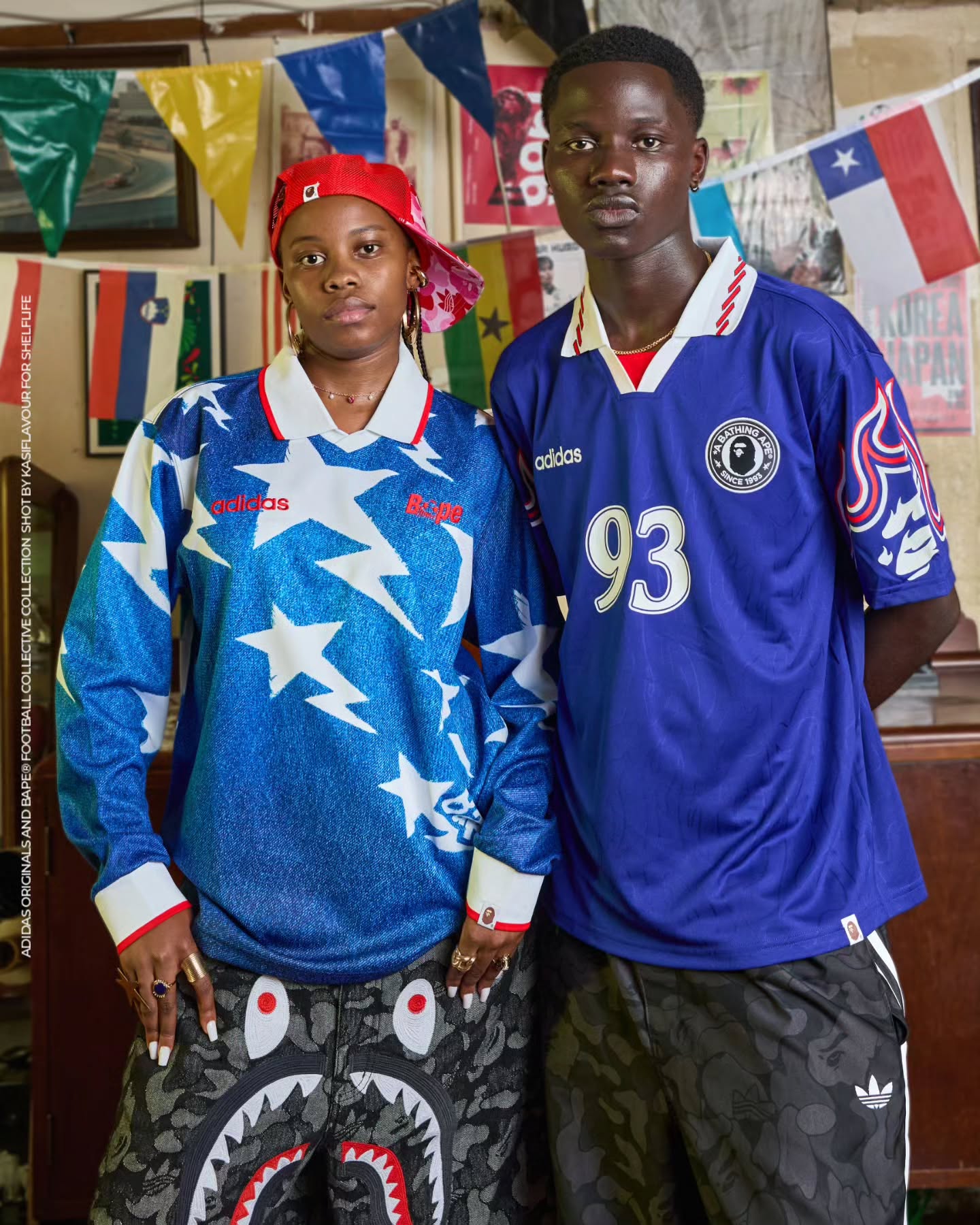
A deep look into how Shelflife’s South African campaign for the BAPE x adidas collaboration, photographed by Sister Bozza and shaped by a wider network of local stylists, models, and cultural contributors, transformed a global streetwear release into a grounded visual narrative rooted in township