


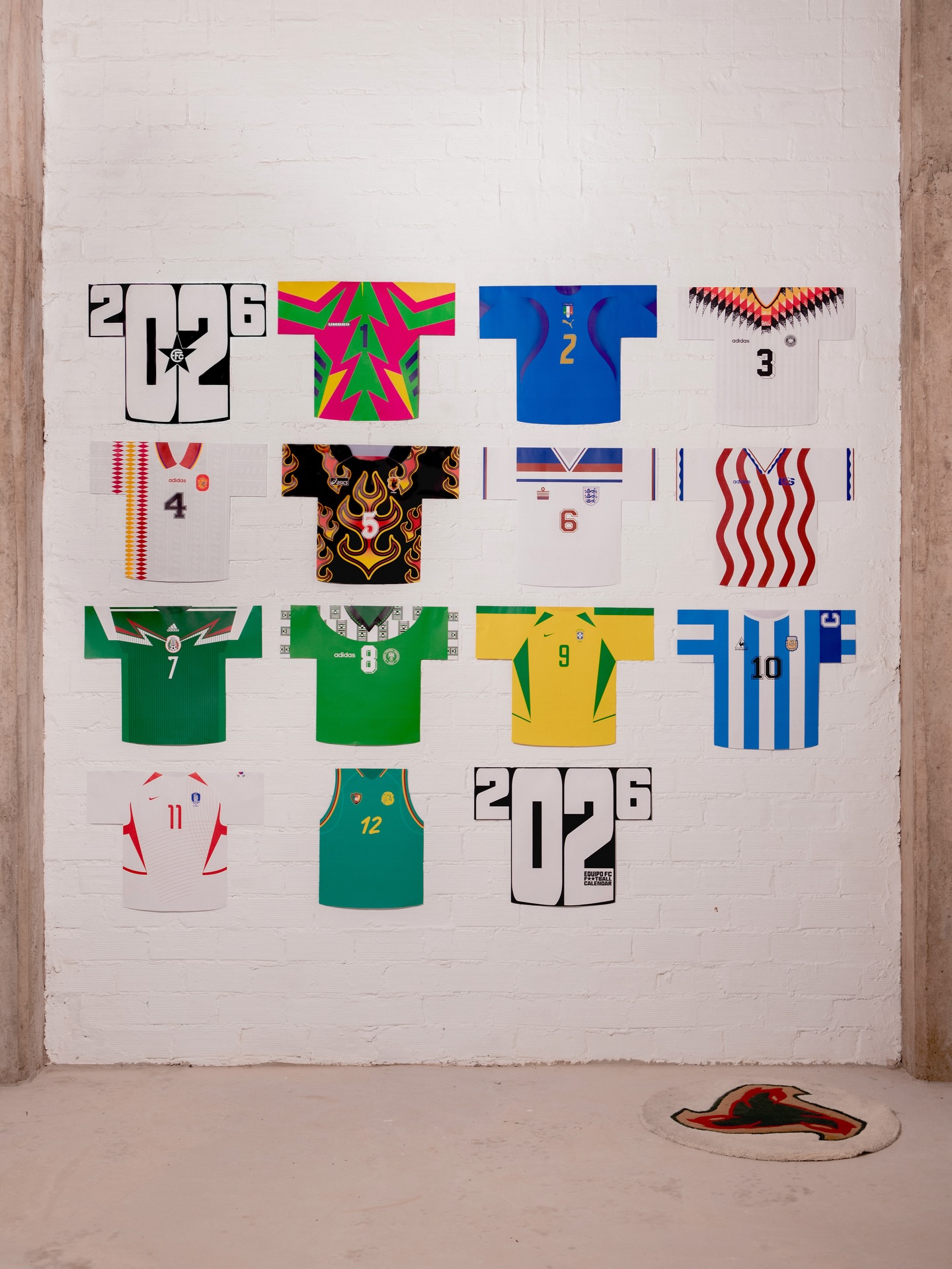
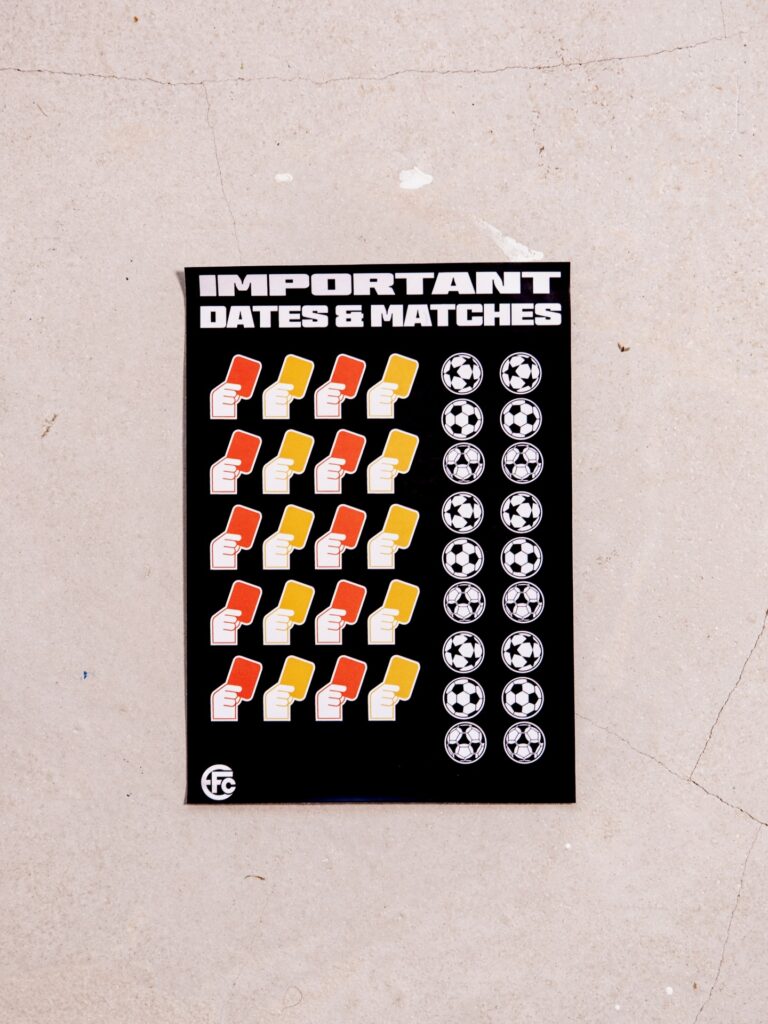
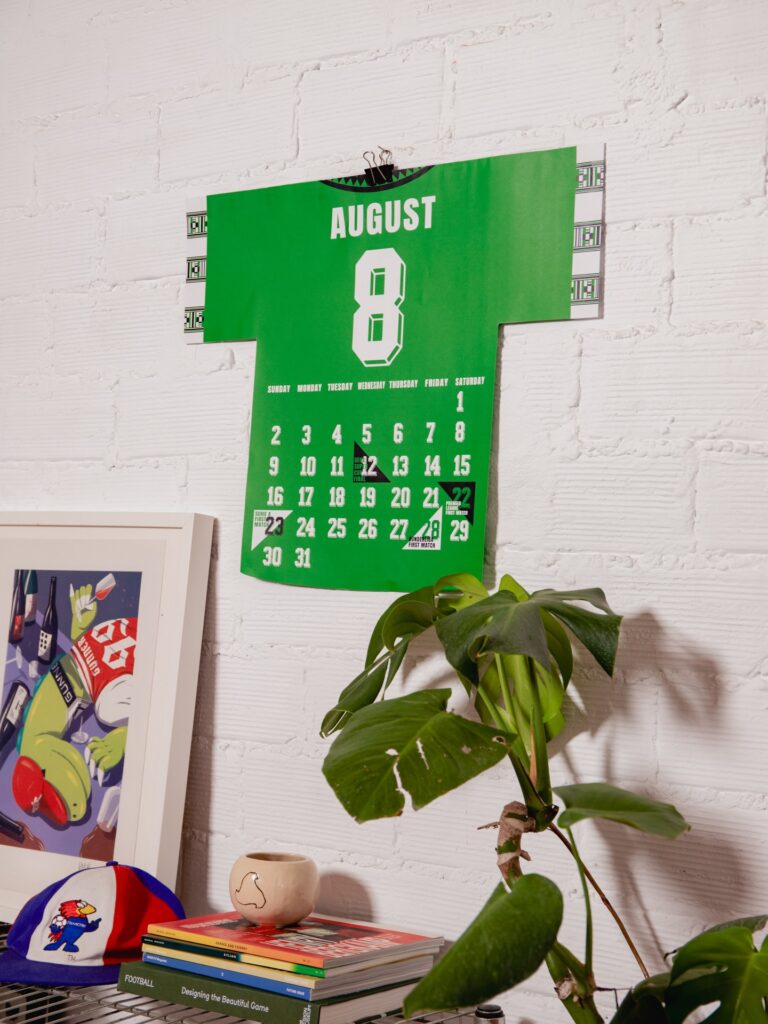
Somewhere in Spain, a group of creatives looked at old football jerseys and saw something more than faded sponsors and cracked numbers. They saw memories, street style, and—most importantly—potential. While most people were either framing vintage kits or wearing them to five-a-side matches, Equipo FC decided to cut them up, stitch them back together, and send them back into the world. It sounds risky, almost disrespectful to football purists, but it worked.
Their earliest creations were tote bags made from recycled football shirts. Not leather. Not canvas. Actual football shirts. Imagine carrying your groceries in something that once watched a striker miss a penalty. It was funny, weird, and strangely cool. People didn’t just buy them — they talked about them. And once people start talking, things move quickly.
The idea was simple: football culture is bigger than the game. It’s about identity, nostalgia, and that random kit you wore as a kid because it looked cool, not because you supported the team. Equipo FC tapped into that feeling. Suddenly, football wasn’t just on the pitch — it was on your shoulder, in your wardrobe, and eventually in fashion editorials.
“Equipo” means “team” in Spanish. That alone tells you how they think. Football is rarely about one player; it’s about collective energy. Equipo FC treated their studio the same way — collaborative, experimental, and slightly chaotic in the best possible way.
They weren’t trying to be a luxury brand. They weren’t trying to be streetwear hype merchants either. They landed somewhere in between — like that one friend who dresses well but swears they “just threw something on.” Except their “something” is a reconstructed 1998 away kit paired with pottery. Yes, pottery. We’ll get to that.
The vibe from the start felt like a group of football obsessives who also loved art school. You could imagine them debating kit fonts one minute and discussing ceramics the next. It shouldn’t work, but it does. Their world feels like a football locker room redesigned by designers who drink oat milk
Upcycling is a word that sounds serious, but Equipo FC made it playful. They weren’t just recycling materials; they were recycling emotions. A jersey from 2004 carries history — the player who scored, the tournament that mattered, the season that broke hearts. Cutting that jersey and turning it into something new feels like remixing a classic song.
Their early products looked handcrafted, almost DIY. That rawness became part of their identity. Nothing felt mass-produced. Each piece looked like it had a story — even if that story was “this used to be a defender’s shirt that no one remembers.”
People loved that imperfection. In a world where everything is
polished and algorithm-approved, Equipo FC’s work felt human. You could see the stitching, the mismatched panels, the experimentation. It felt like they were saying: “We’re not perfect, but we’re having fun.” And honestly, that’s refreshing.
Football shirts quietly became fashion staples. Suddenly, people who didn’t know the offside rule were wearing vintage kits. Equipo FC didn’t just follow that wave — they helped shape it.
At first, they were that cool niche studio making things for people deep in football culture. Then collaborations started happening. Suddenly, established brands and clubs wanted in.
This is usually where brands lose their edge, but Equipo FC kept their personality. They didn’t suddenly become overly corporate. Their work still felt playful, slightly experimental, and rooted in football storytelling.
Collaborations also expanded their reach. Someone who had never heard of them might discover them through a tracksuit, a campaign, or a redesigned kit. It’s like when your underground artist friend suddenly gets played at a party — you’re proud but also slightly protective.
Equipo FC managed that balance well. They grew, but they didn’t lose their charm
Equipo FC doesn’t take itself too seriously. That’s important. Football culture can sometimes be overly intense — debates about formations, players, kits. Equipo FC brings lightness to it.
Their designs often feel like inside jokes. They reference eras, styles, and aesthetics that only certain people recognize. It’s like a wink to the audience. “If you know, you know.”
Even their styling choices feel playful. Oversized silhouettes, nostalgic colors, unexpected combinations — it’s fashion, but with a sense of humor. They’re not saying, “This is the future of fashion.” They’re saying, “This looks cool, let’s try it.”
That approach resonates with younger audiences who are tired of overly polished brands. People want
Equipo FC represents a shift. Football culture is no longer confined to stadiums and sports stores. It’s part of art, design, and everyday style. They helped blur those lines.
They also show that you don’t need huge budgets to start something meaningful. They began with recycled shirts and curiosity. No massive campaign, no loud marketing — just ideas and execution.
Today, they sit in a unique space: part creative studio, part fashion brand, part cultural commentary. They remind us that football isn’t just about results; it’s about community, nostalgia, and creativity.
And maybe that’s their biggest achievement. They made people look at old football shirts differently. Not as relics, but as raw material for new stories.
Plus, they proved that somewhere between a vintage jersey and a ceramic vase, you can build a brand — and have fun doing it.
authenticity — and sometimes authenticity means being a little messy.
From nail artistry and celebrity beauty services to team-driven studio systems and wig retail expansion — how Naledi Thabo is building a layered, culture-led beauty ecosystem that scales beyond the salon.
The Stay Cozy architect blends funk, house, and soulful experimentation into a deeply textured EP that listeners are already calling timeless
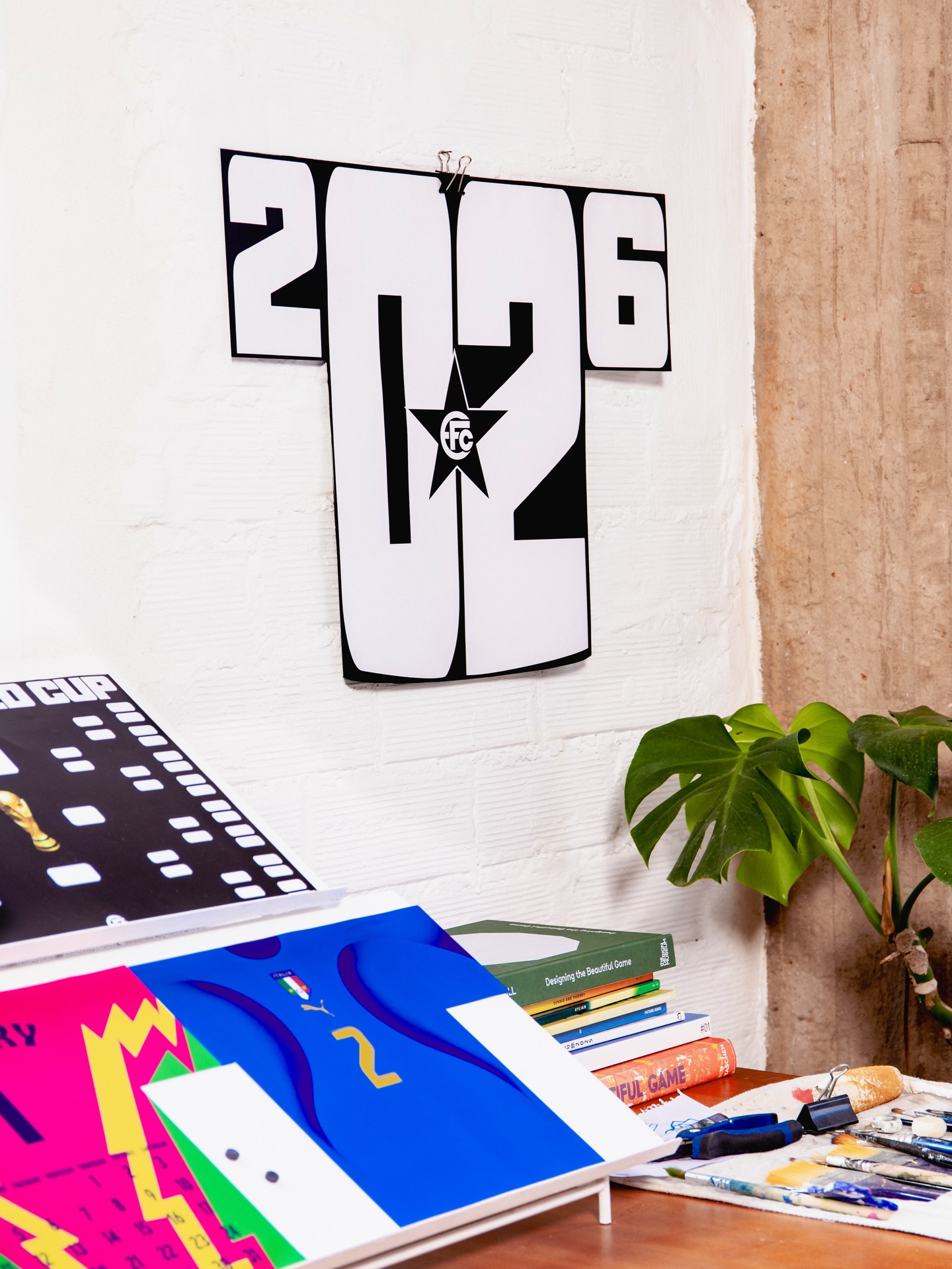
The Beginning: When Football Shirts Stopped Being Just Football Shirts
What Ideas Agency HOME WORK MAG CONTACT PATTA-From Dope Recognition to Global Cultural Institution BB.Faith is Whatever She Wants It 2 BB ggghh kkkkklll hkhkhh ncnnnfnfnf khkhkhkh fjfjfjfjf mfmfmfm Edit Template Courtesy of bb.faith (Copyright © bb.faith, 2026) BB.Faith is Whatever She Wants It 2 B
How a multidisciplinary creative is documenting, shaping, and connecting South Africa’s emerging youth scene
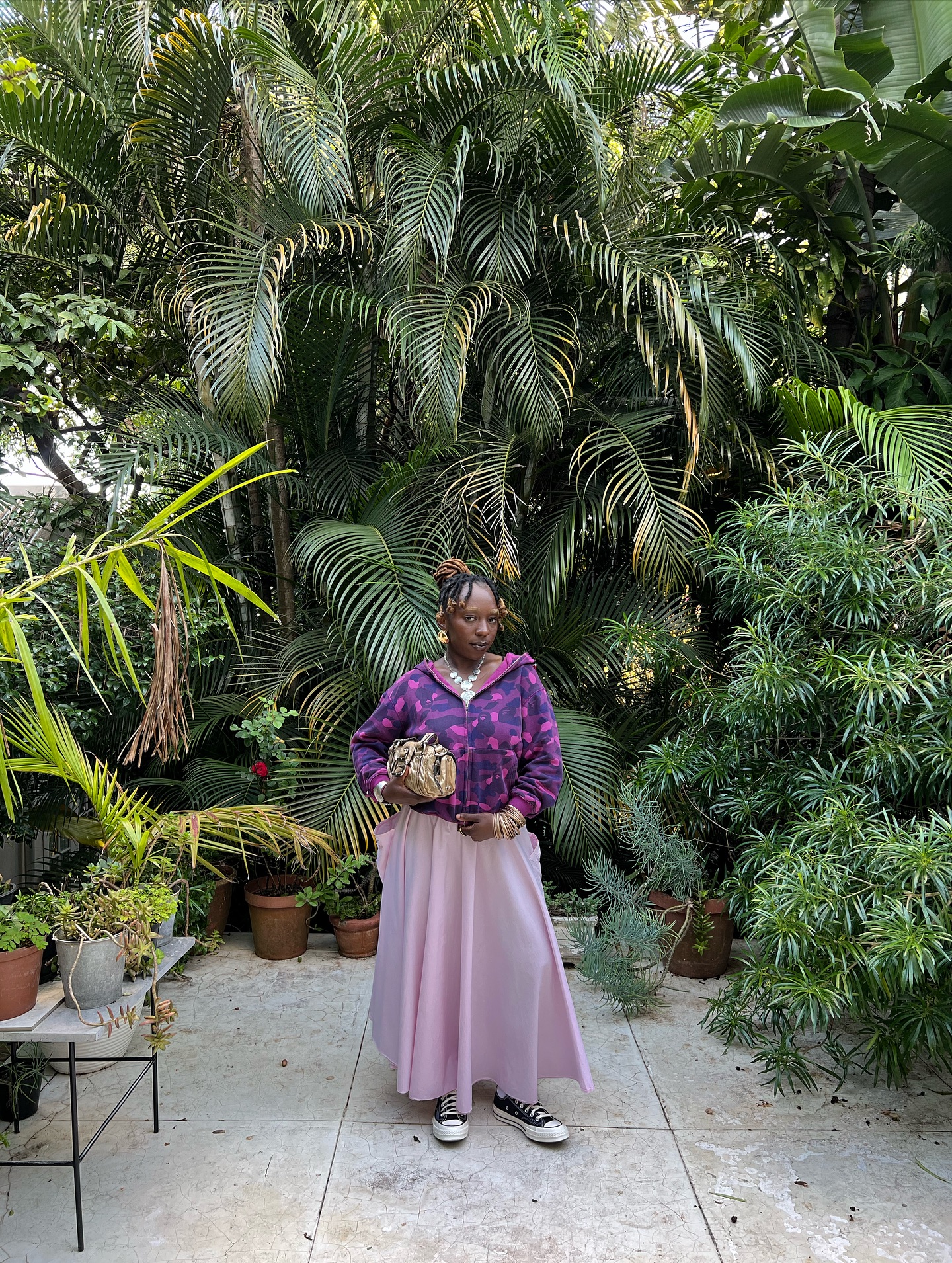
The illustrator’s colour-drenched landscapes are an iterative and experimental play on “the tension between flatness and texture”.
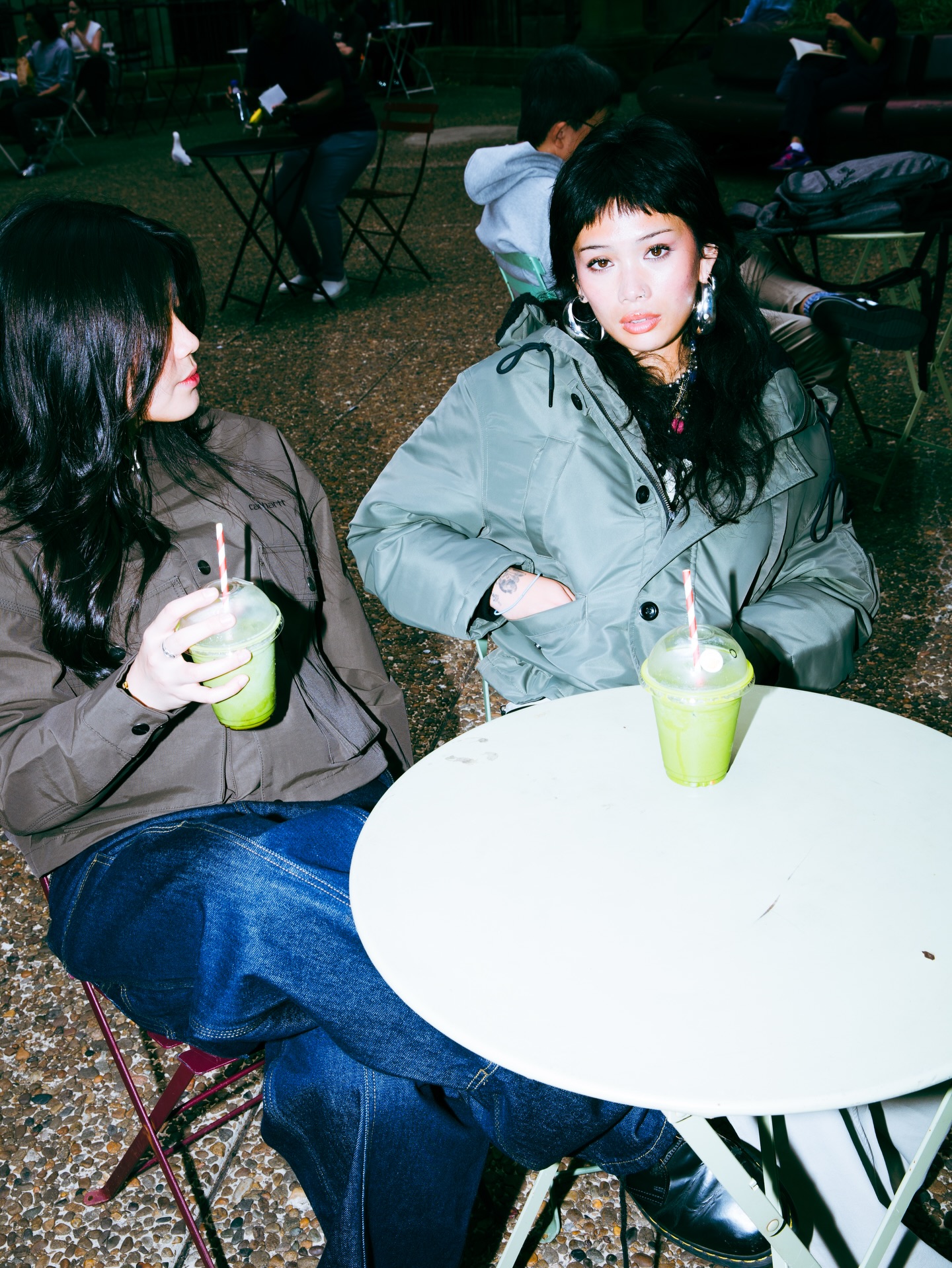
A closer look at how design, lighting, activations, and pure aesthetic discipline turn Carhartt’s Australian presence into something that feels less like retail and more like cultural infrastructure
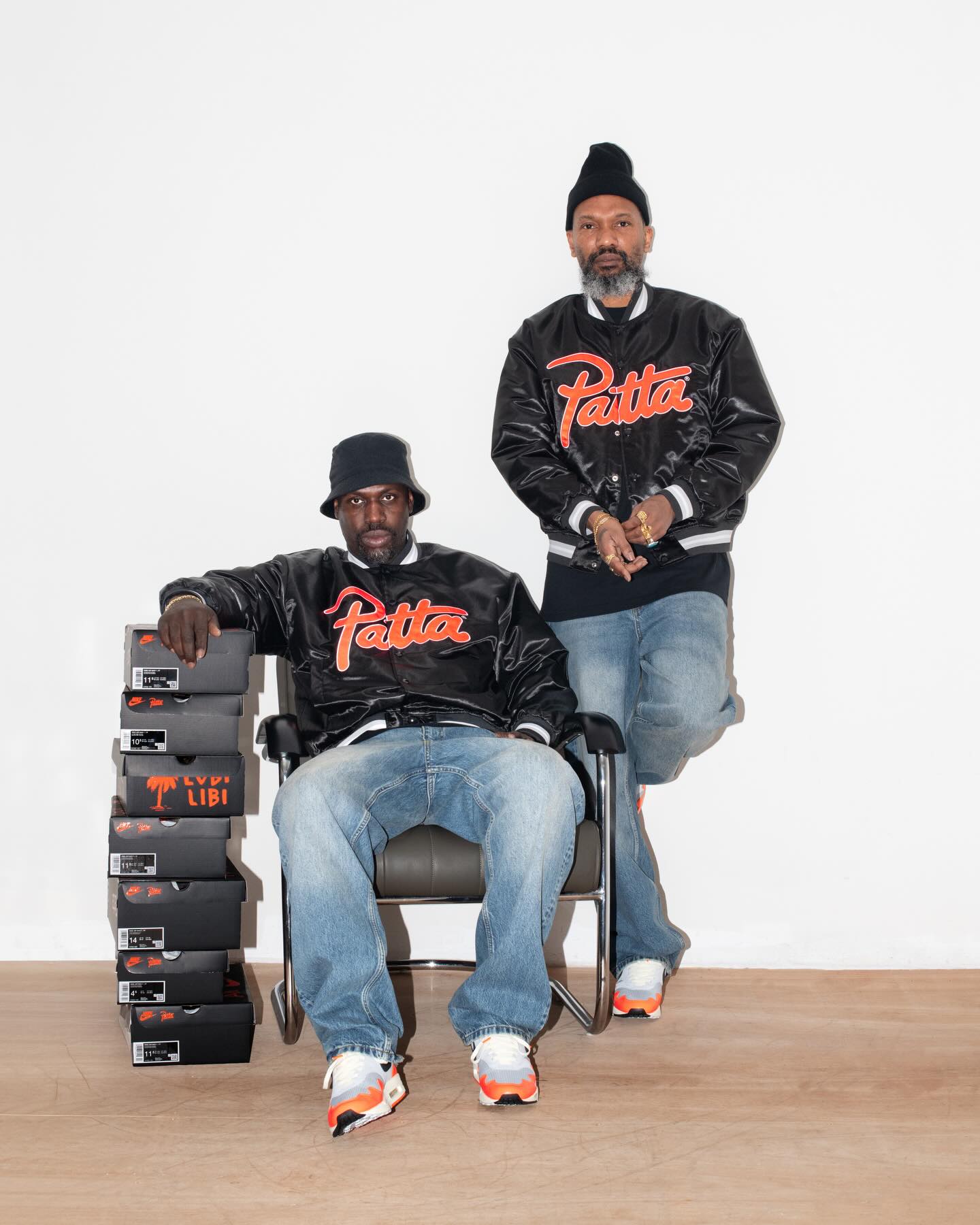
PATTA-From Dope Recognition to Global Cultural Institution
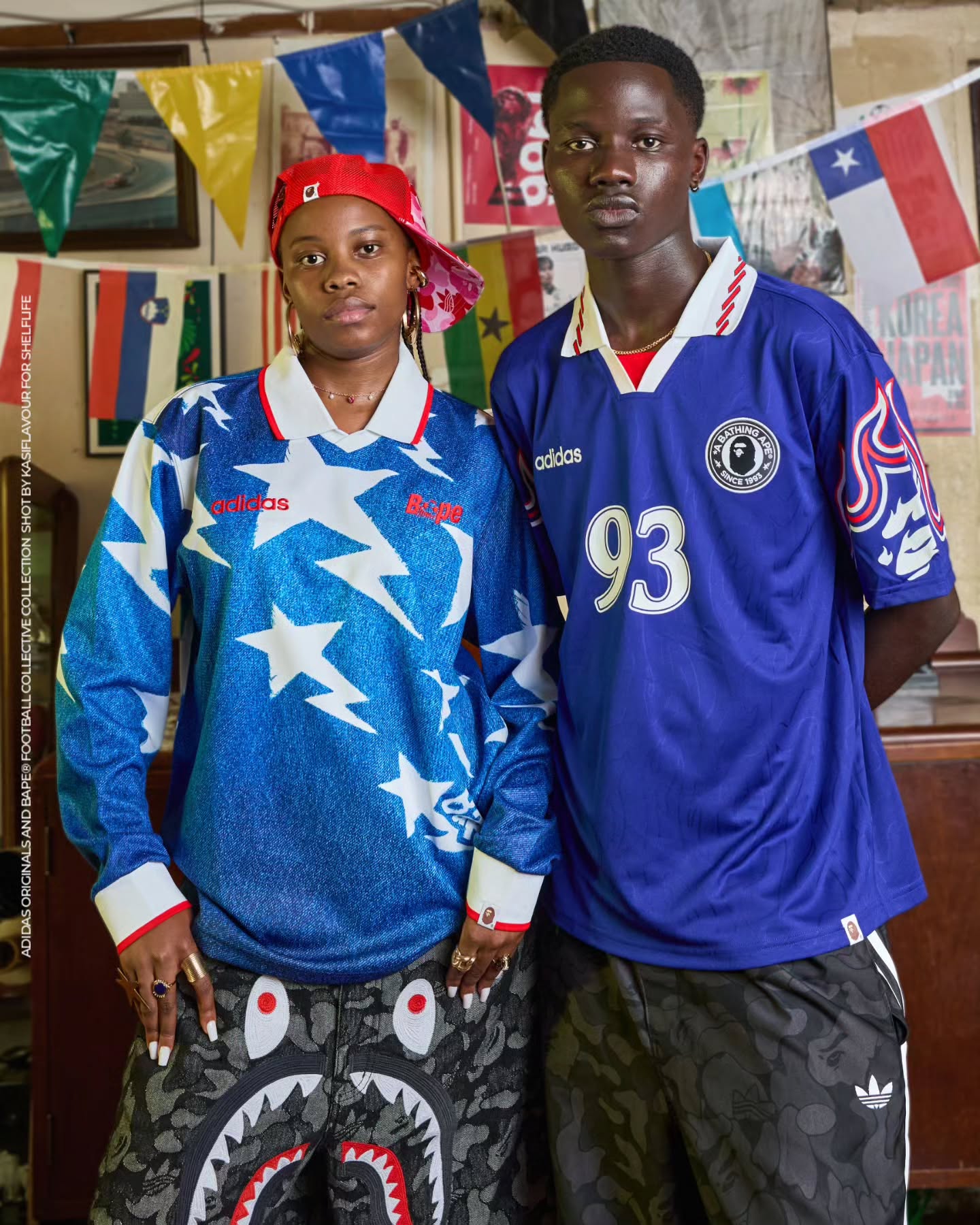
A deep look into how Shelflife’s South African campaign for the BAPE x adidas collaboration, photographed by Sister Bozza and shaped by a wider network of local stylists, models, and cultural contributors, transformed a global streetwear release into a grounded visual narrative rooted in township